A brew kit is the first thing most anglers add after the rods, and the one piece of kit that gets used on every session whatever the fish are doing. It is four things: a kettle, a stove, the gas to run it and a bag to keep them together. Here is how they fit.
The kettle
A 1.1 litre kettle makes two mugs from one boil and is the size most people settle on. NGT's 1.1 litre aluminium kettle weighs 170g with a folding handle, and the fast boil version adds a heat trap on the base that NGT rate at up to 30% more efficient, which means less gas and a shorter wait. A solo angler on a short session can go down to the 0.8 litre kettle, which comes with a spoon and its own case.
The stove
A screw-on stove threads straight onto the top of a gas canister and folds to the size of a fist. The compact screw-on stove is the one to start with; the high output stove boils faster in a wind. If you want to cook as well as boil, the twin stove with griddle runs a kettle and a pan side by side.
The gas, and which canister fits
The screw-on stoves above run on the standard threaded 450g butane and propane canister. One can lasts a good number of brews, and buying them six at a time or by the dozen keeps the price per can down. The smaller 227g canisters sold in supermarkets fit the same stoves with NGT's gas adaptor between the two, which is worth carrying for the day you run out miles from a tackle shop. A neoprene cover stops the can rattling round the bag and holds the lighter with it.
The bag
The insulated brew kit bag is sized for a kettle, a canister, the cover and a lighter, with mesh pockets for teabags and sugar. Keep the whole brew kit in it and it goes on the barrow as one item and never gets left behind.
Or buy it made up
The fully loaded brew kit is a 5 litre water container with a tap, a stove, a 1.1 litre kettle, two cups, three pots, a spoon, a bag and a gas canister in one order. The solo brew bundle is the one-person version.
- Cooking equipment for every kettle, stove, pan and toastie maker in the range.
- Camping for the tables, lights and shelters a brew kit lives beside.
UK delivery is £6 and free over £300, or collect from the shop in Lowestoft. Gas travels by courier without any fuss.
More news

Goalkeeper Kit: What a Keeper Needs and Why It Is Ordered Separately
The keeper is the one player who cannot wear the club strip. What goes in a goalkeeper's kit bag, how to pick the colours, and what a name, number and crest cost.

Keeping Junior Players Warm and Dry on the Touchline
Winter football is mostly standing about. The layers a youth team needs between November and March, and how to stop twelve identical coats going home with the wrong child.

Rugby Kit for Clubs and Schools: Shorts, Shirts and the Right Ball
Rugby kit takes more punishment than any other strip. What to look for in shorts and shirts, which ball size each age group plays with, and how to number a squad.

Running Club and Race Day Kit: Vests, Tees and Layers
What a running club, a charity team or a race crew needs: a vest or tee that wicks, a layer for the start line, and a name on the front that people can read.
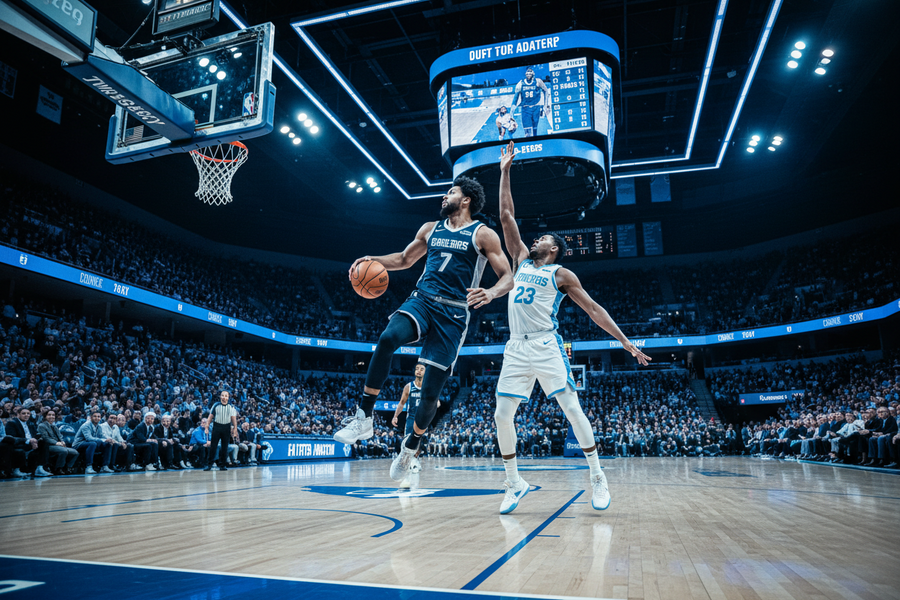
Basketball Kit: Vests, Shorts and Numbers for a Full Roster
Basketball kit is its own shape: a vest and long, loose shorts. How the sets work, where the numbers go, and how to order ten or twelve players in one basket.
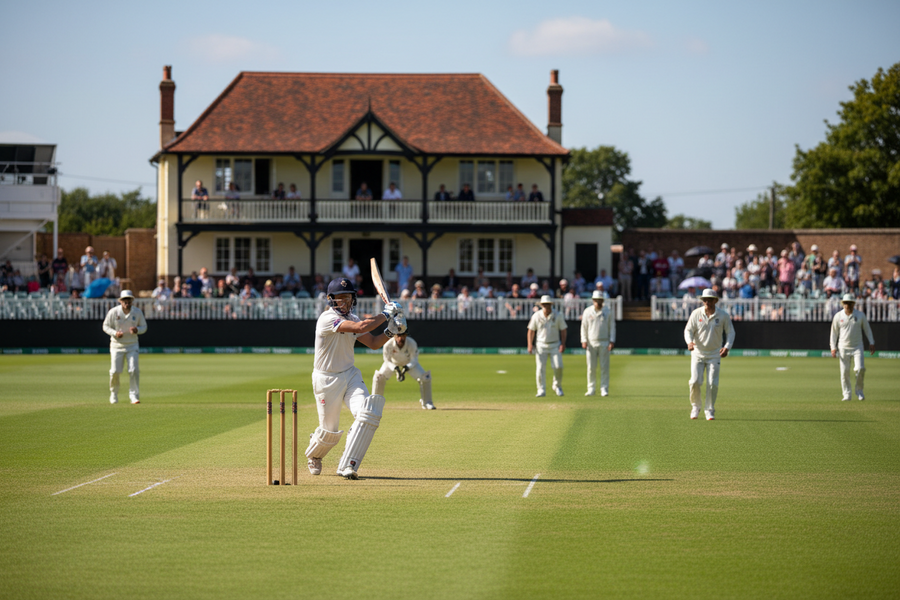
Cricket Club Kit: Shirts, Jumpers and Trousers for the Season
Order in the winter and the kit is ready for nets. What a club side wears, where the crest and sponsor go, and how to dress colts and seniors alike.