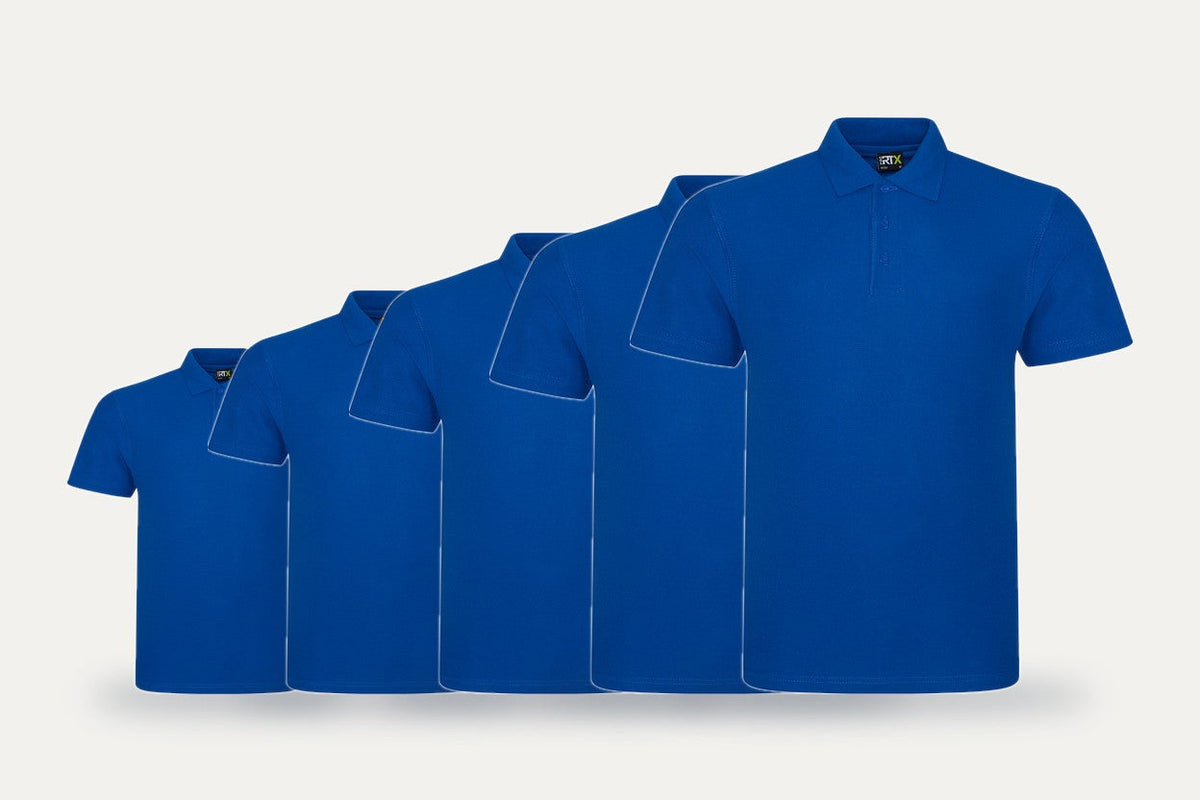
A branded garment is made for you, so it cannot be returned because it does not fit. That makes sizing the one part of a workwear order worth doing slowly. Here is the way we see it go right.
Collect sizes, not guesses
Ask each person for the size they wear in the same kind of garment now, not their build. A hoodie size and a polo size from the same person are often different, and a trouser needs a waist and a leg length. A one-line message to the crew with the garment named, or a sheet with a row per person, is enough. The staff-order tool on each product page takes exactly that list, a size and quantity per person, and puts the whole order in the basket at once.
Read the chart on the product page
Every product page carries the manufacturer's size chart, and manufacturers do not agree with each other. A Gildan XL is not a Regatta XL, and a slim-fit Scruffs trouser is not a Portwest regular fit. Check the chest measurement on the chart against a garment the person already owns rather than trusting the letter. Where a range runs to 5XL or 6XL it is listed; where it stops at 3XL, that is the manufacturer's limit and we cannot make it bigger.
Order a plain sample first
For a crew of ten or more, the cheapest insurance is one plain garment in a middle size sent to the office. Nothing is printed on a plain garment, so it can be returned under our normal returns terms, and it lets everyone try the fit before the branded order goes in. Most firms then order two sizes either side of what they expected.
Allow for layering
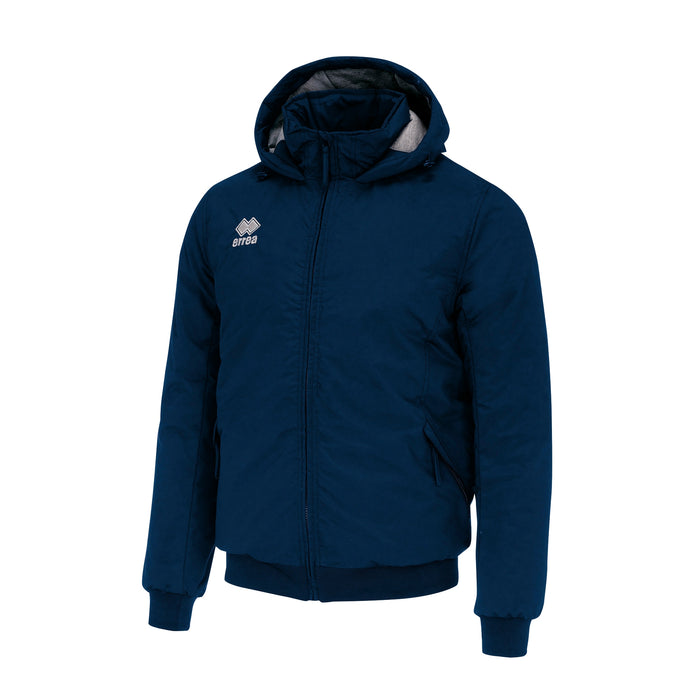
Outerwear goes over the polo and the fleece. A softshell or a padded jacket ordered in the same size as the polo will be tight by November. Size jackets and gilets one up unless the chart says the fit is generous.
Trousers: waist and leg
Work trousers are sold by waist, and the better ones by leg length too. Scruffs sell short, regular and long; Portwest mostly regular. A 32 waist in a slim fit with stretch sits differently from a 32 in a classic cargo, so use the chart's waist measurement, not the label from another brand.
Leave a spare or two
Staff change. Ordering one or two extra polos in the commonest size, plain, gives you something to hand a new starter on their first day while their branded set is made. Baskets over £100 get 10% off automatically, so the spare rarely costs what it looks like.
If you would like us to check a size list against the charts before it is ordered, send it with the quote form and we will come back with the order priced and any sizes flagged. Everything is embroidered or printed in-house in Lowestoft.
More news

Goalkeeper Kit: What a Keeper Needs and Why It Is Ordered Separately
The keeper is the one player who cannot wear the club strip. What goes in a goalkeeper's kit bag, how to pick the colours, and what a name, number and crest cost.

Keeping Junior Players Warm and Dry on the Touchline
Winter football is mostly standing about. The layers a youth team needs between November and March, and how to stop twelve identical coats going home with the wrong child.

Rugby Kit for Clubs and Schools: Shorts, Shirts and the Right Ball
Rugby kit takes more punishment than any other strip. What to look for in shorts and shirts, which ball size each age group plays with, and how to number a squad.

Running Club and Race Day Kit: Vests, Tees and Layers
What a running club, a charity team or a race crew needs: a vest or tee that wicks, a layer for the start line, and a name on the front that people can read.
Basketball Kit: Vests, Shorts and Numbers for a Full Roster
Basketball kit is its own shape: a vest and long, loose shorts. How the sets work, where the numbers go, and how to order ten or twelve players in one basket.
Cricket Club Kit: Shirts, Jumpers and Trousers for the Season
Order in the winter and the kit is ready for nets. What a club side wears, where the crest and sponsor go, and how to dress colts and seniors alike.